

Birdwatching in Castro Verde means scanning the open Campo Branco landscape in southern Portugal, where farmland and other habitats support a varied bird community. The town is associated with the nearby Castro Verde Special Protection Area, making it a useful base for exploring the region’s observation areas.
- Protected area: the Special Protection Area covers 84,913 hectares.
- Bird diversity: the municipality describes a community of about 200 species.
- Hotel location: the protected landscape is about 9.7 km from Hotel Vila Verde.
- Seasonal highlights: winter brings birds such as cranes, while lesser kestrels arrive in February.
Why the Castro Verde landscape attracts birdwatchers
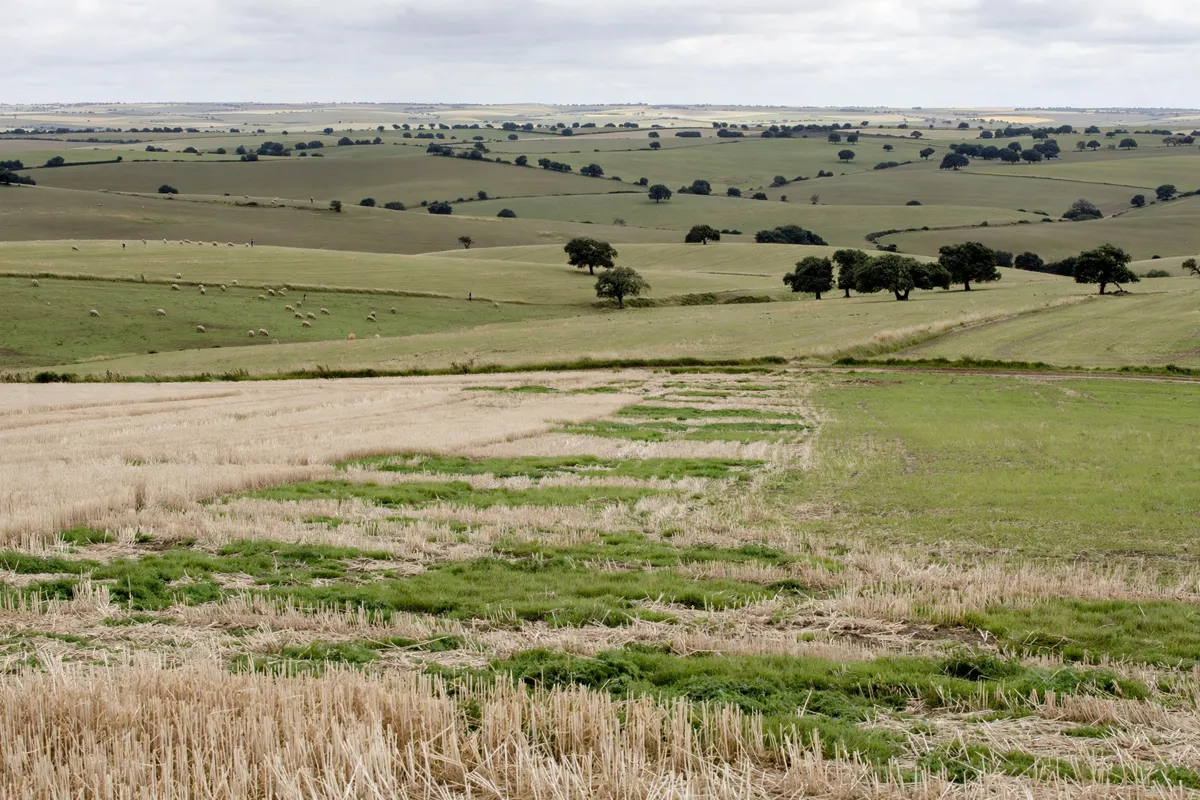
Castro Verde’s mix of working farmland and open country supports steppe birds and raptors across a large protected area. The National Institute for Nature Conservation and Forests (ICNF) identifies the area as the Castro Verde Special Protection Area, or ZPE, and gives its code as PTZPE0046. Its central coordinates are 37°45′N, 08°00′W.
The landscape has been shaped over time by livestock raising and, later, rain-fed cereal cultivation, according to the municipality. That agricultural character remains part of the setting: fields, pastures and fallow ground sit alongside patches of woodland, scrub and water.
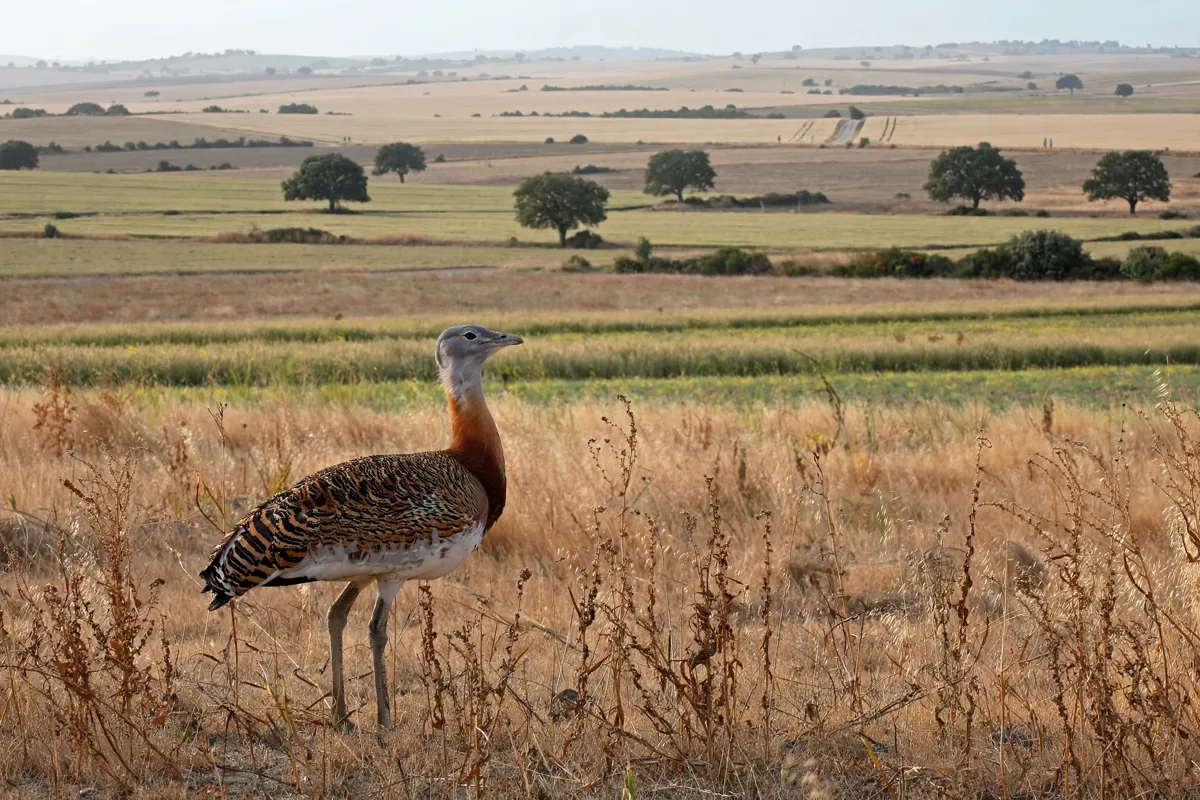
The municipality describes about 200 bird species in the area, including the great bustard and the Iberian imperial eagle. ICNF calls Castro Verde Portugal’s most important area for steppe-bird conservation, highlighting the great bustard and lesser kestrel. It also identifies the region as a principal Portuguese breeding area for the European roller.
Habitats and species to look for in Castro Verde
Castro Verde’s varied habitats include open agricultural ground, woodland, scrub and wet areas, each with different birds to watch for. The landscape includes holm-oak woodland, rockrose scrub, rocky outcrops, streams, dams, riparian galleries, agricultural fields, pastures and fallow fields.
Among the birds recorded are great bustard, little bustard, black-bellied sandgrouse, stone-curlew, lesser kestrel, black-winged kite, crane, golden plover and lapwing, as well as several raptor species. Dams and streams can attract aquatic birds. VisitPortugal also names Monte da Rocha Dam as a place where collared pratincole may be heard.
Winter brings a different set of possibilities. ICNF identifies golden plover, lapwing, meadow pipit and skylark among the ZPE’s wintering birds, along with regular wintering raptors such as red kite, hen harrier and merlin.
Which observation areas should you consider?
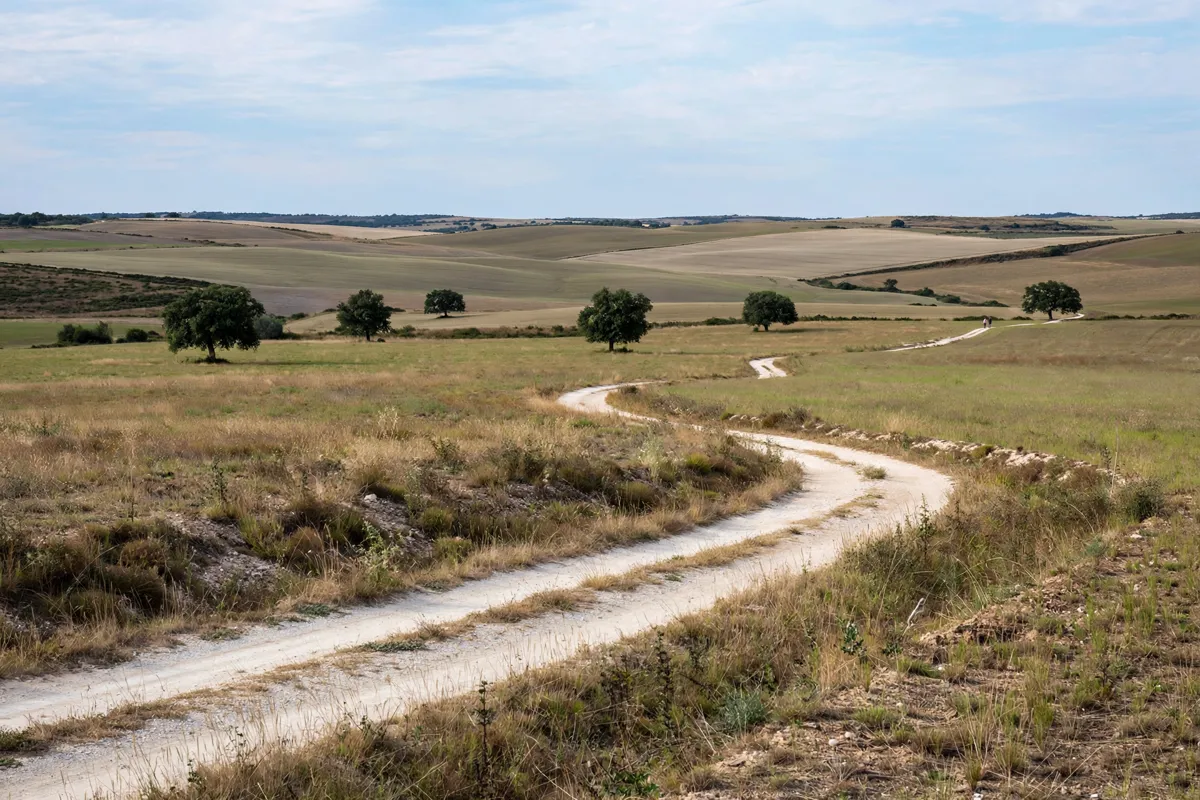
The ICNF birdwatching guide names observation locations across the protected area, including sites around villages, farms and water. Its list includes Entradas, Monte do Vale Gonçalinho, Barragem do Monte Gavião, Carregueiro, Casével, Barragem da Apariça, Ribeira do Cobres, São Marcos da Atabueira, Senhora de Aracelis, Monte de Belver, Monte do Guerreiro, Rolão and Piçarras.
One place to get route information is the Vale Gonçalinho Environmental Education Centre. VisitPortugal says the centre has developed environmental circuits through notable birdwatching points and provides information about the routes. You can allow hours to scan the plains with binoculars; VisitPortugal does not set a fixed duration for a visit.
For general orientation around the town and its surroundings, getting around Castro Verde covers local travel options.
Check access arrangements for your chosen observation area before setting out.
If flying into Faro, plan the airport-to-town leg separately from local site access; getting from Faro Airport to Castro Verde is a separate part of the trip.
When is the best time for birdwatching in Castro Verde?
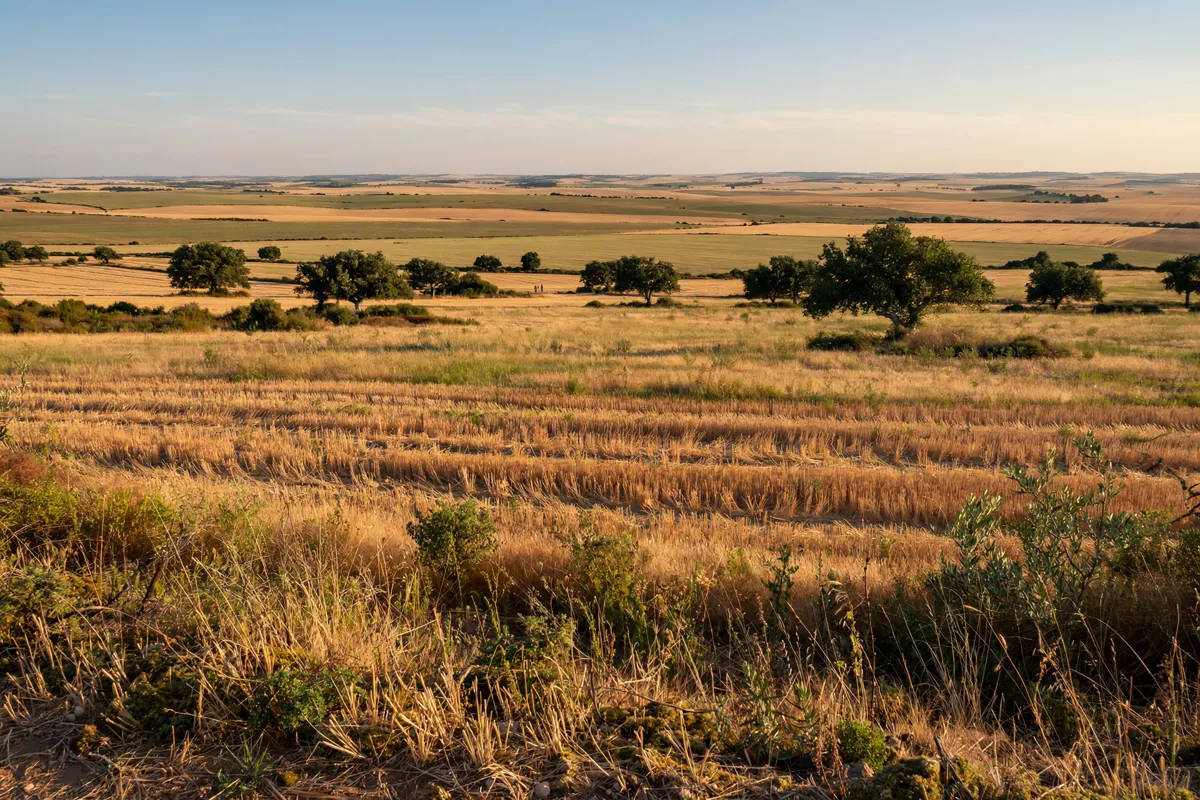
Seasonal patterns shape what you may encounter, so choose your timing around the birds you hope to see. VisitPortugal says cranes migrate from northern Europe to spend winter in the Alentejo. Lesser kestrels arrive in February and leave at the beginning of summer.
The male great bustard’s display takes place at the end of spring, according to VisitPortugal. Winter offers opportunities to look for the species that stay in the ZPE during that period, including golden plover, lapwing, meadow pipit and skylark.
Summer changes the landscape’s appearance: VisitPortugal describes the Campo Branco plain as turning whitish. Whatever the season, plan time to scan the open ground with binoculars, and check the official site before you go for current details about route information and local arrangements.
FAQs
What makes Castro Verde notable for steppe birds?
ICNF identifies Castro Verde as Portugal’s most important area for steppe-bird conservation, with the great bustard and lesser kestrel among its highlights.
Can you watch birds near water in Castro Verde?
Yes. Dams and streams attract aquatic birds, and Monte da Rocha Dam is noted as a place where collared pratincole may be heard.
How long should you allow for birdwatching?
Allow hours to scan the plains with binoculars. There is no fixed visit duration.